In a world that too often feels bifurcated by culture, language, and identity, storytelling is one of the oldest and strongest tools that humanity possesses to connect. Here at Dialogue Fosters, we believe stories aren’t just entertaining timelessly, but also educators, healers, and a way to connect and bridge differences. Whether in a classroom, community hall, or online space, stories provide a way to see the world through another’s eyes and clarify connections.
Storytelling allows us to humanise, for example, statistics and headlines. Behind every number about migration, equality, or displacement is a human with a dream, fear, or memory. The moment we share and tell those stories, we move beyond stereotypes and enhance our understanding of the richness that is diversity in our society.
Awareness may open up minds, but storytelling opens our hearts. When we listen to a refugee describe their journey or hear a teacher remark about how inclusion made their classroom more vibrant, then we are left to mentally ingest the emotion that cannot be captured in the data. Empathy built through stories leads to more connected communities and more compassionate social change and action.
When people from different backgrounds come together to share their personal stories, it initiates a conversation driven by a mutual respect. This conversation does not aim to erase the difference; it strives to elevate it. These shared conversations form the basis of inclusive communities that thrive on understanding instead of conformity.
Storytelling has propelled revolutions and created laws, reshaped cultures, and catalysed innumerable social changes in history. Today, storytelling continues to be central to how we confront inequality and advance social justice.
At Dialogue Fosters, we have created all of our programs as a means of utilising storytelling that can give power to marginalised voices, and especially to migrants, refugees, and asylum seekers, along with allowing them to take ownership of their stories. When people share their lived experiences in public, they reclaim their agency and shape how society views them.
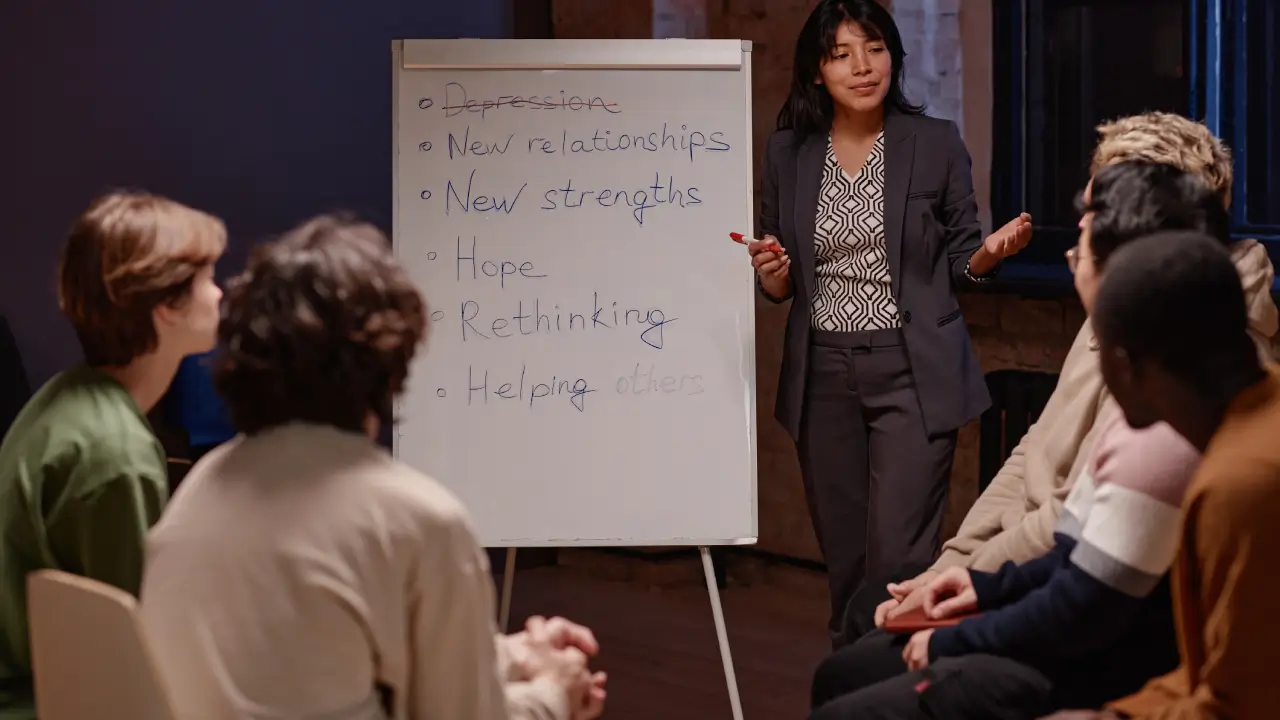
For many migrants, there are few opportunities to speak out about their journeys. The Storytelling for Change workshops offer a safe space for individuals to engage with their stories through writing, art, performance, and digital literacy. Sharing their stories builds the confidence of our participants, while developing new frameworks on how the community understands immigration or belonging.
Stories influence decision-makers in significant ways. Often, when policymakers and educators engage with personal stories, they design more equitable and thoughtful systems. Integrating stories into training, consultation, and research helps institutions engage with the difference between policy on paper and versus practice of compassionate systems.
Beyond connecting emotionally with a listener, storytelling has psychological and neurological implications. Research shows that when a person listens to a story, the same brain regions activate as if they were experiencing the event. This is often referred to as neural coupling, which assists the listener in internalising an experience from the other person’s perspective and becomes a basis for understanding.
Facts may become forgotten, but stories endure. When complicated issues such as migrant policy or cultural inclusivity are expressed through personal experience, it becomes easier to remember and discuss complicated issues. Storytelling converts abstract social concerns into concrete personal experiences, supporting meaningful discussions.
In addition to telling who we are, storytelling builds identity. When an individual is dealing with displacement or is transitioning through culture, storytelling can be profoundly healing. Storytelling asserts that their voice matters and that they are part of the history of the larger community.
Storytelling also allows individuals to become facilitators of dialogue and inclusion. Here are some easy actions that will support those starting:
Conduct small group discussions to start, where participants feel respected and heard. Develop some agreements in the community meetings about confidentiality and empathy, and assure the participants of non-judgment, which will help them feel the space is safe for them to express themselves.
Teachers can use storytelling activities in classrooms and address themes such as diversity, migration, and equality. This allows the students to form emotional connections with global issues, and creates opportunities for cultural empathy.
Support participants to share their story through photography, podcasts, poetry, or theatre. Taking creative approaches can support deeper reflection than conversation can sometimes offer.
Exhibit community events where stories can be sewn into the fabrics of the community, which makes them public events. These events bring forth those lived experiences, but add a layer of pride, confidence, and collective understanding.
Programs such as Storytelling for Change, Migration Short Histories, and Community Dialogues have shown us the way personal stories can change perspectives. A teacher was moved by hearing a migrant’s story, after which he was inspired to gather more perspectives to have new practices of inclusion in class. A politician heard lived experiences that led to advocating for policy changes around legislation, etc. Every moment of understanding is another link in the chain of compassion to create belonging.
These programs reiterate that inclusion is not a destination- it is an ongoing journey of learning, listening, and collaborating. Every story we share brings us closer to a new society where diversity is not simply tolerated or accepted but celebrated.
When we pause to listen, we learn we are more alike than we are different in our stories or life experiences. Storytelling encourages us to step into another’s life and see each barriers and sit with the possibilities of what it means to be united.
At Dialogue Fosters, we are committed to providing a foundation of storytelling for empathy, equity, and change- we believe every story matters and all voices should be heard.

Empowering understanding through storytelling, education, and inclusion.